Recycling and Sustainability — Gardeners Hoxton
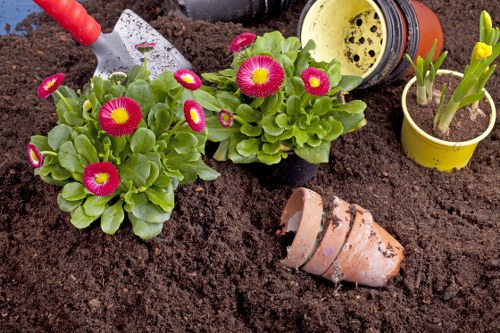 Gardeners Hoxton is committed to creating an eco-friendly waste disposal area and a sustainable rubbish gardening area across all our urban gardening projects. Our approach blends practical site-level waste separation with strategic partnerships and low-emission logistics so that every pruning session, soil replacement or clear-up contributes to circular resource use in Hoxton and surrounding neighbourhoods.
We set a clear recycling percentage target: we aim to recycle 70% of all site-generated materials by the end of 2028. That target covers green waste, soil and compostable matter, timber and wood, along with sorted construction and soft plastics from planting operations. Reaching this target means designing waste flows on-site so organic matter is captured for composting, recyclable packaging is separated at source, and residual waste is minimised.
 Our model takes into account the boroughs' approach to waste separation — for example, local councils in Hackney and neighbouring boroughs emphasise separate food and mixed recycling streams and encourage communal recycling points. We work with these systems, ensuring crews follow local separation rules and that materials are routed to the correct municipal or specialist streams rather than ending up in general refuse.
To support a practical sustainable rubbish gardening area, we operate clearly labelled collection bins on-site and train teams to segregate: green waste, compostables, clean timber, metals and plastics. Practical steps include:
- Green waste containers for branches and leaves destined for local composting facilities
- Dedicated skips for reusable timber and pallet wood, separated from treated timber
- Small hard waste boxes for metal plant pots and tools sent for recycling
Our site operations emphasise low-contamination streams to maximise the value of material sent to recycling processors and transfer stations. Clear labelling and short standard operating procedures help crews make the right choice each time they empty a wheelbarrow or swap a soil bag.
 We use local transfer stations and municipal facilities to keep travel emissions low and ensure materials reach the correct processors. Where possible, we direct green waste to local council transfer stations and community compost hubs, and send reusable soil and aggregate to partner depots that can reprocess or redistribute material. Minimising double-handling is central to our plan: fewer trips, cleaner loads, higher recycling rates.
Charity partnerships and reuse networks
Our sustainability strategy is not just about diversion rates; it includes collaboration. We partner with local charities and community organisations — from urban greening groups to redistribution networks — to find second lives for surplus plants, containers and usable soil. Examples include:donating surplus starter plants to community gardens, diverting reusable gravel and brick to community build projects, and supplying excess compost to neighbourhood allotments. These partnerships maximise reuse and reduce the demand for new materials in the Hoxton area.
Low-carbon transport and fleet choices
We have committed to low-carbon vans and active transport options for short trips. Our fleet transition plan prioritises electric vans and plug-in hybrids for medium-distance transfers, and cargo e-bikes or small electric trailers for inner-Hoxton jobs where narrow streets and parking constraints make vans inefficient. Using low-emission vehicles reduces the carbon footprint of moving soil, green waste and equipment and supports a cleaner local environment.Operational changes also include consolidating loads to local transfer stations to reduce mileage, scheduling collections to avoid empty returns, and using lightweight, reusable packaging for potting mixes and plant deliveries. These measures help shrink both our direct emissions and the embedded emissions in consumables.
We track performance with regular audits and a simple dashboard: tonnes diverted, % recycled, vehicle miles per tonne moved, and number of donations to community partners. Transparency keeps our teams focused on reaching and exceeding the recycling percentage target.
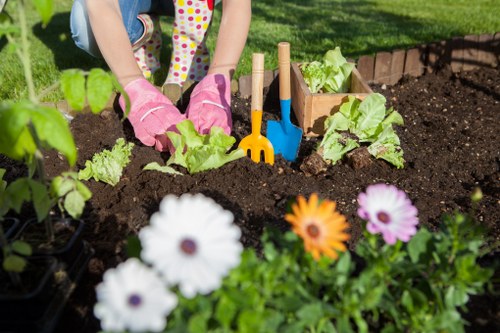 Community engagement is core: we run pop-up swap events (plants, pots and hardware), host soil-sharing days with local allotments, and work with neighbourhood groups to make reuse visible and easy. These activities build a resilient local circular economy where waste from one project becomes the resource for another.
 Designing for sustainability means planning gardens so maintenance waste is minimized: choosing perennial planting to reduce annual replanting, prioritising native species to avoid high maintenance inputs, and using reclaimed materials for raised beds and edging. These design choices reduce the volume and complexity of waste streams while supporting biodiversity and long-term resilience in Hoxton green spaces.
Monitoring and continuous improvement: We review data quarterly, refine routing to local transfer stations, deepen charity partnerships, and progressively electrify our fleet. By combining practical site measures, collaboration with borough recycling approaches, and investments in low-carbon vans and micro-mobility, Gardeners Hoxton aims to set a high standard for an sustainable rubbish gardening area in the urban environment.

