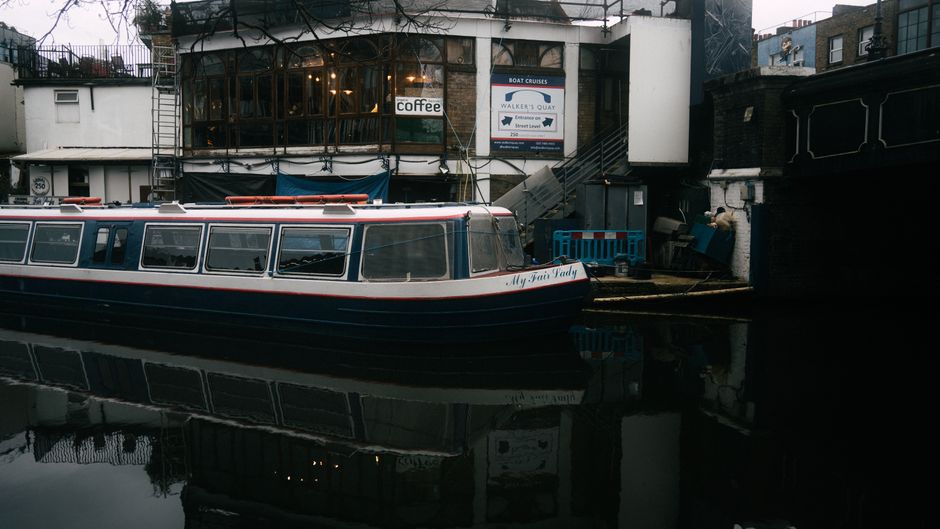
Regents Canal garden care and gardeners near Hoxton Station: a practical local guide
If you live, work, or manage a garden near Regents Canal and Hoxton Station, you will already know the challenge: the setting is lovely, but the conditions can be a bit unforgiving. Wind funnels between buildings, shade hangs around in some corners, pavements are busy, and canal-side planting can dry out faster than you expect. That is where Regents Canal garden care and gardeners near Hoxton Station becomes more than a convenience. It becomes the difference between a garden that looks tired and one that feels calm, tidy, and genuinely usable.
This guide explains how local garden care works, what to expect from a good gardener, which services are most useful around Hoxton, and how to avoid the mistakes that cost time and money. Whether you need regular upkeep, a one-off refresh, or help turning a cramped outdoor space into something that actually works, you will find a clear path here.
Why Regents Canal garden care and gardeners near Hoxton Station Matters
Canal-side gardens and terraces around Hoxton are often compact, exposed, and a little awkwardly shaped. They can also be gorgeous. The trick is keeping the good bits while dealing with the practical realities: patchy light, neighbours close by, limited access, and plants that are either overwatered or left to fend for themselves. That is why local knowledge matters so much.
A gardener who understands the rhythm of the area will think differently about maintenance. They will notice where damp lingers in winter, where wind damage shows up first, and which planting choices survive on a narrow balcony or a small back courtyard. Around Regents Canal, the job is rarely just "cut the grass and tidy up". Often it is about managing plant health, keeping hard surfaces safe and clean, and making the space work in a dense urban setting.
There is also a lifestyle angle. Plenty of people near Hoxton Station use their outdoor space as a pause point between busy days. A well-kept garden gives you a quiet place for coffee in the morning, or somewhere to breathe in the evening when the city noise is doing its usual thing. Small space, yes. Big impact? Absolutely.
How Regents Canal garden care and gardeners near Hoxton Station Works
Good garden care starts with a walk-through, not a mower. A proper local gardener will usually assess access, condition, sunlight, drainage, and the mix of soft and hard landscaping before suggesting a plan. That first look matters because canal-side gardens can hide problems behind the prettiness: compacted soil, moss on paving, overcrowded shrubs, or old plants that are quietly failing.
In practical terms, the work often falls into a few familiar categories:
- Routine maintenance such as weeding, pruning, planting care, watering schedules, and general tidying.
- Turf and lawn care including mowing, edging, feeding, and repair work where grass is patchy.
- Hedge and shrub work to stop growth becoming heavy, uneven, or obstructive.
- Clearance and reset jobs for gardens that have been left too long between visits.
- Landscape improvement when the aim is to redesign, not just maintain.
If you need ongoing support, a good starting point is a structured garden maintenance service. That tends to be the backbone of keeping a canal-side garden looking cared for through the year. For more substantial changes, some properties also benefit from landscaping or landscape gardening, especially where the space needs fresh levels, better planting structure, or a more durable layout.
To be fair, some gardens do not need a grand redesign at all. They just need consistent attention. A missed fortnight here and there can turn into a tangle surprisingly quickly. Happens all the time.
Key Benefits and Practical Advantages
There is a straightforward reason people search for gardeners near Hoxton Station rather than trying to do everything themselves: professional care saves time and avoids expensive guesswork. But the real value goes a bit deeper than that.
- Healthier planting - regular pruning, feeding, and watering support stronger growth and fewer losses.
- Better use of small spaces - neat layout, careful trimming, and sensible planting make compact gardens feel bigger.
- Safer paths and access - moss, leaf build-up, and overgrowth can make pavements and decks slippery.
- Less visual clutter - a tidy garden changes how a flat, terrace, or shared entrance feels.
- Seasonal readiness - canal-side spaces often need different care in spring, summer, autumn, and winter.
- Longer-lasting surfaces and features - regular care helps protect fences, decking, paving, and borders.
One of the less obvious benefits is confidence. When your garden is being looked after consistently, you do not get that nagging feeling that something is slipping. You just know it is under control. That calm matters, especially in a busy area where outdoor space can become a bit of an escape hatch from the day.
Who This Is For and When It Makes Sense
Not every garden needs the same level of support. The right service depends on how the space is used, how often it grows out, and how much time you want to spend on it yourself. Around Regents Canal and Hoxton Station, the people who usually benefit most include:
- homeowners who want reliable upkeep without spending weekends chasing weeds
- landlords preparing a property between tenancies
- tenants with small courtyards, patios, or shared outdoor areas
- busy professionals who want the garden to look presentable all year
- business owners with frontage planting or small outdoor seating areas
- people with mature planting that needs regular, careful attention
It also makes sense after a period of neglect. A garden can drift for months, sometimes longer. Then suddenly you look out the window and realise the rosemary has disappeared under brambles and the paving has gone a bit green. That is usually the moment to bring in help. Not because you have failed, just because life got loud.
If the space is clogged, uneven, or full of old cuttings and waste, a one-off garden clearance can be a smart reset before maintenance begins. And if the main issue is the lawn looking thin or inconsistent, a dedicated lawn mowing and care schedule may be the better route.
Step-by-Step Guidance
If you are trying to work out how to get the best result from local garden care, this is the simplest path to follow.
- Assess the space honestly. Note what is actually happening, not what you hope is happening. Is the issue weeds, overgrowth, bare patches, drainage, or just lack of time?
- List the priorities. For some gardens, safety comes first. For others, appearance, privacy, or plant health matters most.
- Check access and constraints. Narrow side passages, shared entrances, canal-side railings, and storage limits can affect the plan.
- Choose the right service mix. A compact courtyard may need pruning and weeding. A larger plot might need mowing, hedge work, and some redesign support.
- Set a realistic schedule. Weekly, fortnightly, monthly, or seasonal visits each suit different spaces. There is no magic formula.
- Review the first visit carefully. A good first session should give the garden a visible reset and leave you clearer on what happens next.
Here is a small but useful question to ask yourself: do you need a one-off rescue, or do you need a system? If the answer is "probably both," that is perfectly normal. Most outdoor spaces near the canal need a mix of tidy-up work and ongoing care.
When a garden is used heavily, or has features like paving, raised beds, and built elements, it may also be worth looking at decking services or broader services overview guidance so the whole space works as one. A garden is rarely just plants. It is more like a little outdoor system, really.
Expert Tips for Better Results
These are the habits that make the biggest difference over time, especially in a local urban setting where gardens can swing from lush to messy very quickly.
- Prune with purpose, not panic. Over-cutting can leave shrubs looking harsh and weak. Light, regular shaping usually works better.
- Watch the edges. Clean borders, crisp lawn lines, and tidy paths make even modest gardens look intentional.
- Respect seasonal timing. Some plants bounce back well after a trim, others hate being rushed. The season matters.
- Use mulch where suitable. It helps retain moisture and suppress weeds, which is especially useful in warmer pockets near brick and paving.
- Keep an eye on irrigation. Canal-side and sheltered gardens can be deceptive; one week feels damp, the next everything is crisp at the edges.
- Do not ignore the dull jobs. Clearing leaves, checking drainage, and removing dead growth may not be glamorous, but they save trouble later.
One practical observation from real jobs: gardens often look better after the second visit than the first. The first visit removes the chaos. The second one lets the structure breathe. Bit by bit, the whole place starts to behave.
If your garden has hedges that are becoming awkward or blocking light, a focused hedge trimming service can make a huge difference without changing the character of the planting. That balance is important in tightly packed neighbourhoods.
Common Mistakes to Avoid
Most garden problems near Hoxton do not come from dramatic failures. They come from small, repeated mistakes. Nothing fancy. Just the usual life stuff: delay, overconfidence, and the occasional "I'll deal with it next weekend."
- Cutting everything at once. This can shock plants and remove useful structure.
- Ignoring drainage. Puddles, soggy beds, and mossy paving rarely fix themselves.
- Using the wrong tools. A blunt hedge cutter or unsuitable mower can do more harm than good.
- Leaving clearance too long. Once a garden becomes heavily overgrown, maintenance gets harder and more expensive.
- Choosing services without a plan. Random one-off jobs can be fine, but they do not always add up to a healthier garden.
- Forgetting the hard landscaping. Plants are only half the picture; paths, fences, and surfaces matter too.
There is also a tendency to overfill small spaces. A few well-chosen plants often outperform a crowded border. In a canal-side setting, restraint can be the clever move, even if it feels a bit underdone at first. Truth be told, less is sometimes more.
Tools, Resources and Recommendations
A reliable gardener brings the right tools for the job, but the best results come from matching tools to the space. For canal-side and Hoxton gardens, the essentials usually include hand tools for detailed work, pruning tools for shaping, a mower where lawn space exists, and clearance equipment for waste removal.
From a homeowner's point of view, you do not need a shed full of gear. A few basics help between visits:
- good gloves for light weeding and handling clippings
- a watering can or hose setup that reaches the important beds
- a hand fork and trowel for small planting jobs
- sharp secateurs for deadheading and minor trims
- a broom or blower alternative for paths and patios where allowed
For larger jobs, professional support is often better than piecing things together yourself. If waste, cuttings, and old materials are building up, a structured garden clearance can reset the space properly. And if the goal is a longer-term improvement rather than a tidy-up, the team's landscape gardening capability can be useful for rethinking the whole layout.
If sustainability matters to you, it is also sensible to ask how green waste is handled and whether materials are separated for recycling where appropriate. A lot of people near the canal care about that, and fairly enough. It fits the area.
For company background and working standards, you may also want to read about the team's background and recycling and sustainability approach. Those pages help show how the business handles both service quality and environmental responsibility.
Law, Compliance, Standards, or Best Practice
Garden care is not usually a heavily regulated service for the customer, but that does not mean standards do not matter. A trustworthy gardener should work in a safe, tidy, and respectful way, especially where there is public access, shared entrances, or close neighbouring properties.
In practice, good standards usually include:
- safe use of tools and equipment so work is carried out carefully around people and property
- responsible waste handling with clippings and green waste removed or managed properly
- respect for access routes so paths, steps, and communal areas are left clear
- clear communication about what work will be done and what the result should look like
- appropriate insurance and safety awareness for peace of mind on bigger jobs
Where trees are involved, extra care is needed. Tree work should not be treated casually, especially if branches are large, close to structures, or potentially dangerous. In those cases, a dedicated tree lopping and removal service may be more suitable than a general tidy-up. And if you are comparing providers, it is sensible to look at insurance and safety information rather than assuming everything is covered.
Good practice also means being upfront about limits. A careful gardener will say when something needs more than basic maintenance. That honesty is useful. You want the truth, not a cheerful guess.
Options, Methods, or Comparison Table
Choosing the right type of help is easier when you compare the common options side by side. The best choice depends on condition, budget, and whether the goal is a quick refresh or a long-term plan.
| Option | Best for | Typical outcome | Watch out for |
|---|---|---|---|
| Routine garden maintenance | Gardens that are already in decent shape | Consistent neatness, healthier plants, less stress | Needs regular visits to stay effective |
| Garden clearance | Overgrown, cluttered, or neglected spaces | A clean reset and clearer starting point | Not a substitute for ongoing care |
| Hedge trimming and pruning | Boundaries, privacy screening, and light control | Sharper shape and better balance | Timing matters; aggressive cuts can be a mistake |
| Lawn mowing and turf care | Lawns that need regular presentation and recovery | Cleaner finish and stronger visual order | Wet conditions or poor mowing height can damage grass |
| Landscaping or redesign | Spaces needing a practical layout change | Better function, flow, and long-term usability | Usually costs more and takes longer |
If you are unsure which route to take, start with the simplest question: do you need maintenance, rescue, or redesign? The answer usually points you in the right direction faster than any sales pitch does.
Case Study or Real-World Example
Imagine a small terrace near the canal, a few minutes from Hoxton Station. The garden has a slim strip of lawn, some tired pots, a hedge leaning into the neighbour's light, and a patio that has gone slippery with shade and leaf build-up. Nothing dramatic, but enough to make the space feel neglected.
The first visit focuses on the basics: clearing debris, cutting back overgrowth, tidying the hedge, removing dead plant material, and cleaning the hard surfaces. The lawn is mown at a sensible height rather than scalped, and the borders are re-edged so the space looks intentional again. A few plants are kept, a few are removed, and the rest are spaced more thoughtfully. Not glamorous, but effective.
The second visit, a few weeks later, is where the improvement really shows. Weeds are lower, the hedge has held shape, the patio feels brighter, and the space is easier to walk through. The owner now has a manageable routine instead of a garden problem hanging over them. That is the real win.
In a lot of local gardens, this is how progress works: clear the clutter, improve the structure, then keep it steady. Slow and solid beats frantic every time.
Practical Checklist
Use this checklist before booking or planning work near Regents Canal and Hoxton Station.
- Identify whether the main issue is maintenance, clearance, redesign, or a mix.
- Check access for tools, waste bags, and larger equipment.
- Note any slippery paths, uneven surfaces, or low branches.
- Decide whether you need one-off work or regular visits.
- List priority areas: lawn, hedge, beds, pots, paving, or structures.
- Ask how waste will be handled and removed.
- Confirm whether the job includes trimming, mowing, clearance, or broader landscaping.
- Review safety and insurance information for larger or higher-risk tasks.
- Make sure expectations are clear before work begins.
- Book the next visit before the garden drifts again.
Key takeaway: around Regents Canal, the best garden care is not about overworking the space. It is about choosing the right mix of maintenance, shape, and timing so the garden feels easy to live with.
Conclusion
Regents Canal garden care and gardeners near Hoxton Station is really about making local outdoor spaces work properly in a busy, often compact part of London. The best results come from steady care, sensible plant choices, clear priorities, and a gardener who understands how urban gardens behave when the weather shifts, the shade changes, or the growth suddenly takes off.
If your space feels neglected, overgrown, or just harder to manage than it should be, do not wait for it to become a bigger job. Start with the essentials, get the structure back, then build from there. That approach saves effort, and usually produces a calmer, better-looking garden too.
Get a free quote today and see how much you can save.
For a service partner that understands local needs, you can also review pricing and quotes and make a decision at a pace that feels right for you. Sometimes the best garden change is the one that quietly makes life easier.
Frequently Asked Questions
What does Regents Canal garden care usually include?
It usually includes routine maintenance such as weeding, pruning, mowing, hedge trimming, tidying, and keeping paths or patios clear. For neglected gardens, it may begin with clearance first.
How often should a garden near Hoxton Station be maintained?
That depends on the size of the space and how fast it grows, but many urban gardens benefit from regular visits rather than occasional heavy work. Fortnightly or monthly care is common for busy households.
Is garden clearance different from garden maintenance?
Yes. Clearance is about removing overgrowth, waste, and clutter to reset the space. Maintenance is the ongoing work that keeps it looking good afterwards.
Can gardeners help with small canal-side gardens and courtyards?
Absolutely. In fact, small spaces often benefit the most from professional help because a few good decisions have a big visual effect. Little gardens can be fussy, but they can also be brilliant.
What if my garden has poor access?
Good local gardeners should factor access into the plan. Narrow paths, shared entrances, and tight storage are common in the area, so a practical setup matters more than brute force.
Do I need landscaping or just regular maintenance?
If the layout works and the garden just needs care, maintenance is usually enough. If the space feels awkward, poorly arranged, or hard to use, landscaping may be the better option.
Can hedge trimming improve light in my garden?
Yes. Careful hedge trimming can open up light, improve airflow, and make a small garden feel less boxed in. It should be done with the plant's shape and timing in mind.
What should I ask before booking a gardener?
Ask what is included, how waste is handled, whether the visit is one-off or recurring, and whether the gardener is clear on safety and insurance for the work needed.
How do I keep a canal-side garden from getting messy again so quickly?
Use a regular maintenance schedule, keep on top of light pruning, and remove debris early. Small, frequent attention usually works better than waiting for a large seasonal clean-up.
Are tree and large-branch jobs part of normal garden care?
Not always. Larger or riskier work may need a dedicated tree service rather than general maintenance. If branches are large, awkward, or close to structures, it is worth treating the job separately.
What makes a garden service near Hoxton Station worth it?
It is worth it when it saves you time, protects plant health, improves safety, and makes the space easier to enjoy. If the garden is part of your daily life, the value shows up quickly.
How do I compare providers without getting overwhelmed?
Keep it simple: compare the services offered, the clarity of the quote, the approach to safety and waste, and whether the provider understands the quirks of urban gardens. That usually tells you enough.